

If you’ve been searching for a therapist in Olney, Maryland or the surrounding Montgomery County area, you’ve probably come across the term “trauma-informed.” It’s one of those phrases that sounds reassuring, but can be a little vague. What does it really mean? And does it matter if your therapist doesn’t mention it?
Let’s break down what a trauma-informed approach actually involves, why it’s so important, and how to tell if your therapist practices this way.
What “Trauma-Informed” Really Means
A trauma-informed therapist understands that emotional struggles often stem from difficult life experiences; sometimes from obvious traumas like abuse or loss, and sometimes from subtle or ongoing stress such as chronic criticism, neglect, or high-conflict relationships.
Instead of asking “What’s wrong with you?” a trauma-informed therapist asks, “What happened to you?” This perspective changes everything about how therapy is offered, from tone and pacing to the kinds of interventions used.
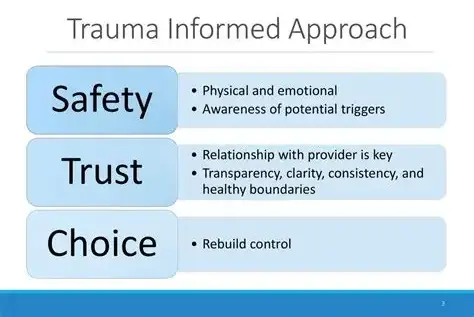
According to the Substance Abuse and Mental Health Services Administration (SAMHSA), a trauma-informed approach rests on five core principles:
- Safety – Emotional and physical safety come first. The therapist avoids pushing you faster than you’re ready.
- Trustworthiness and Transparency – They explain what’s happening in therapy and why.
- Peer Support – They normalize your reactions and help you feel less isolated.
- Collaboration and Mutuality – Therapy is a partnership, not a hierarchy.
- Empowerment, Voice, and Choice – You have control over the pace, topics, and direction of your sessions.
In short, trauma-informed therapy means the therapist sees you as a whole person, not a set of symptoms to “fix.”
Are Most Therapists Trauma-Informed?
Many therapists integrate trauma-sensitive practices, but not all are formally trauma-trained. Graduate programs often provide limited education about trauma unless the clinician pursues specialized training afterward—such as EMDR, Trauma-Focused Cognitive Behavioral Therapy (TF-CBT), Somatic Experiencing, or Attachment-Based Family Therapy (ABFT).
A therapist may still be compassionate and skilled without using the label “trauma-informed.” But if trauma, grief, or chronic stress are part of your story, it’s worth asking how they address those issues. A therapist who never references trauma, attachment, or emotional safety may focus primarily on surface symptoms instead of the deeper causes behind them.
Why Trauma-Informed Therapy Is Important
Trauma doesn’t just affect memories—it reshapes the brain’s alarm system, the body’s stress responses, and even the way we relate to others. Without acknowledging this, therapy can unintentionally trigger or invalidate someone who’s been through trauma.
A trauma-informed therapist:
- Understands that healing requires safety and trust.
- Recognizes that certain “defensive” behaviors once served as survival strategies.
- Avoids labeling clients as resistant or unmotivated.
- Helps clients build skills to regulate emotions and feel grounded before diving into painful material.
This approach prevents re-traumatization and helps clients feel genuinely seen and in control of their healing process.
Research shows that trauma-informed care improves engagement and outcomes across mental health settings (CDC, 2023). It’s not a single method—it’s a mindset of respect, empathy, and collaboration.
How to Know If a Therapist Is Trauma-Informed
Here are a few signs that your therapist practices from a trauma-informed lens:
- They ask for permission before exploring difficult topics.
- They use words like grounding, safety, or regulation.
- They help you stay present in your body during stressful moments.
- They focus on empowerment, not blame.
- They may mention training in EMDR, somatic work, or trauma-focused CBT.
If you’re unsure, you can simply ask:
“Do you have experience working with trauma or using a trauma-informed approach?”
A well-trained therapist will appreciate the question and explain how they tailor their work to help clients feel safe and supported.
Trauma-Informed Therapy in Olney, Maryland
At Olney Counseling Center, our licensed clinicians are trained in trauma-informed and evidence-based methods including EMDR, TF-CBT, and Attachment-Based Family Therapy. We believe that true healing happens when clients feel safe, respected, and empowered to take an active role in their recovery.
Whether you’re coping with anxiety, depression, loss, or a history of trauma, we meet you where you are—helping you rebuild trust in yourself and your relationships at your own pace.
Ready to Begin?
If you or your child have experienced stress, loss, or trauma and want to start the healing process, reach out to Olney Counseling Center today. Call 301-570-7500 to schedule a confidential appointment.